Category: Home & Kitchen Ideas

How to Create a Stylish and Functional Home: Interior Design Tips and TricksHow to Create a Stylish and Functional Home: Interior Design Tips and Tricks

When it comes to interior design, the challenge isn’t just about making your home look pretty—it’s about balancing style and functionality. At FungStyle, we believe your home should not only reflect your personality but also cater to your lifestyle needs. From choosing the perfect furniture to creating a flow between rooms, we’re here to help you design a home that works for you. In this guide, we’ll explore essential tips and tricks for creating a stylish yet functional home.

Start with a Plan: How to Approach Interior Design

Creating a well-designed home starts with careful planning. It's important to take a holistic view of your space—consider its layout, natural light, and how you'll use each room. Start by defining each room's function. For example, your living room might be a space for relaxation and entertainment, while your home office requires a productive, clutter-free environment.

Tip: Before diving into design, sketch a floor plan and try different furniture arrangements. This helps visualize how your space can evolve.

Maximize Your Space: Small Room Design Tips

When designing smaller spaces, every inch counts. Clever furniture choices and smart layouts can make a big difference. Consider multi-purpose furniture such as sofa beds, ottomans with storage, or fold-out tables. These pieces provide flexibility while helping you avoid clutter.

Tip: Opt for mirrors to create the illusion of space. Large mirrors reflect light and make the room feel larger than it actually is.

The Power of Color: How to Choose the Right Palette

Color has the power to completely transform the mood of a room. It can make a space feel calming, energetic, or sophisticated. When choosing colors, start with the room’s natural light—rooms that get a lot of sunlight may benefit from cooler tones, while rooms with less light will look cozier with warmer shades.

Tip: Consider accent walls to add drama to neutral spaces. A bold color in one section can bring a room to life without overwhelming the overall aesthetic.

Furniture That Works: Choosing Pieces for Function and Style

Your furniture should reflect your taste, but it must also be functional. When selecting furniture, think about the purpose of the space and how the furniture will be used. For example, a sectional sofa might be great for a family room, while a sleek, minimalist couch could fit better in a modern living room.

Tip: Measure your space before buying furniture to avoid overcrowding. It’s also a good idea to mix textures and materials to create visual interest, such as pairing a leather couch with soft fabric throw pillows.

Lighting Design: Brighten Up Your Home with the Right Lighting

Lighting isn’t just about illuminating your space—it’s about creating atmosphere. A well-lit room can completely change the vibe of a space. Use a combination of ambient, task, and accent lighting to add layers and depth to your rooms.

Tip: Use dimmers and adjustable lighting to control the mood. For example, softer lighting is ideal for a relaxing bedroom, while brighter task lighting is best for workspaces.

Textures & Materials: Adding Depth to Your Space

Textures are key when designing a space that feels inviting. Mixing different textures—such as velvet cushions, wooden furniture, and metal fixtures—adds depth and interest to a room. Materials like stone, marble, and glass bring a touch of luxury, while textiles like cotton and wool offer comfort.

Tip: Combine smooth, shiny surfaces with soft, plush elements. For example, pair a sleek glass coffee table with a cozy wool rug to create a balanced design.

Personalize with Art and Accessories

Your home is a reflection of you, so don’t forget to add personal touches. Art, photographs, and decorative accessories bring a room to life. Choose pieces that resonate with you and enhance the overall design.

Tip: When hanging art, consider grouping smaller pieces together to create a gallery wall, or go for one large piece to make a bold statement.

Sustainable Design Ideas for a Greener Home

Sustainable interior 公屋裝修 is becoming increasingly popular. Whether you’re renovating or starting from scratch, there are many ways to make your home more eco-friendly. Choose sustainable materials, such as reclaimed wood, bamboo, or organic fabrics. Consider energy-efficient appliances and furniture that are designed to last.

Tip: Upcycling old furniture is a great way to reduce waste. A coat of paint or new upholstery can completely transform a piece, giving it a second life.


Conclusion:

Designing a stylish and functional home doesn’t have to be a daunting task. By following these tips and tricks, you can create a space that suits both your aesthetic preferences and practical needs. Whether you’re working with a small room or designing a whole house, balance is key. Remember to focus on functionality, mix in your personal style, and pay attention to the little details that make your space feel special.

At FungStyle, we believe in creating spaces that inspire and function seamlessly. Ready to transform your home? Start by incorporating these design principles, and let your creativity lead the way!

Importance of Air Duct Maintenance Tips and TricksImportance of Air Duct Maintenance Tips and Tricks

Air ducts are an essential part of any home or building’s heating, ventilation, and air conditioning (HVAC) system. They play a crucial role in circulating air throughout the space, keeping you comfortable in any season. However, like any other equipment, air ducts also require regular maintenance to ensure their efficiency and extended lifespan.

Here are some important reasons why air duct maintenance is crucial:

1. Improved Indoor Air Quality
Without proper maintenance, air ducts can accumulate dust, dirt, and other allergens that can affect the quality of the air in your home or building. These pollutants can trigger allergy symptoms, cause respiratory issues, and worsen existing conditions like asthma. Regular cleaning and maintenance of air ducts can significantly improve indoor air quality, making it safer and healthier for everyone.

2. Energy Efficiency
When air ducts are clogged with dirt and debris, the system will have to work harder to circulate air, resulting in higher energy consumption. This not only increases utility costs but also puts unnecessary strain on the HVAC system, leading to wear and tear in the long run. By keeping air ducts clean and well-maintained, you can ensure your system runs efficiently, saving you both money and energy.

3. Prevents Mold Growth
Mold is a common problem that can occur in air ducts, especially in humid climates. Overtime, mold can grow and spread, negatively impacting the air quality in your space. It can also cause damage to the ducts, leading to expensive repairs. Regular maintenance and cleaning of the air ducts can prevent mold growth and keep your space safe and healthy.

4. Extends Lifespan
As with any other equipment, regular maintenance can significantly extend the lifespan of your air ducts. By keeping them clean and in good condition, you can avoid costly replacements and repairs in the future. It is a small investment that can save you a lot of money in the long run.

Now that we understand the importance of air duct maintenance, here are some tips and tricks to help you keep your air ducts in top shape:

1. Change Air Filters Regularly
Air filters trap dust, dirt, and other particles, preventing them from entering the air ducts and circulating throughout your space. Over time, these filters can become clogged and need to be replaced. Make sure to check and replace your air filters at least every three months to ensure proper air flow and prevent debris from building up in the ducts.

2. Regular Cleaning
It is essential to have your air ducts professionally cleaned at least once every two to three years to remove any accumulated dust, dirt, and other pollutants. A thorough cleaning will not only improve indoor air quality but also help your system run more efficiently.

3. Keep Vents Clean
Be mindful of keeping air vents and registers clean to prevent any dust or debris from entering the ducts. Regularly dust and vacuum them to keep them clear and prevent blockages.

4. Inspect for Damage
Regularly inspect your air ducts for any damage, such as cracks or holes, that can affect chimney cap replacement company flow. If you notice any issues, make sure to have them repaired by a professional to avoid further problems.

5. Consider Professional Inspection
If you suspect that your air ducts may have mold or other issues, it is best to call a professional for a thorough inspection. They have the proper tools and expertise to identify and address any problems.

In conclusion, air duct maintenance is a crucial aspect of keeping your home or building’s HVAC system running efficiently and providing a safe and healthy environment. By following these simple tips and tricks, you can ensure that your air ducts are well-maintained and functioning properly. Remember, regular maintenance is a small investment that can save you a lot of money and hassle in the long run.

20 Best Ways For Deciding On A Chinese Cabinet Manufacturer20 Best Ways For Deciding On A Chinese Cabinet Manufacturer


Ten Tips To Assess The Quality Of Materials Of The Chinese Furniture Maker
Here's a comprehensive guide to reviewing the quality of materials used by an Chinese furnishings manufacturer like OPPEIN.
1. What are the materials used?
It is essential to familiarize yourself with the various materials that are used to construct furniture. For instance, MDF is a medium-density woodboard. Particleboard, laminate MDF and solid hardwood are common materials. Each has distinct qualities, strengths and disadvantages. Solid wood is typically the most durable. It's also the most aesthetically pleasing. However engineered wood, such as MDF may be more affordable. Knowing what to look for will help you make an informed choice between various brands.

2. Verify the Certifications
Find certifications that demonstrate material quality and safety standards. These certifications may show the firmness of a company's commitment to making quality products. These certifications ensure that materials are free of harmful substances and adhere to international standards.

3. Examine the Wood Grades
If the manufacturer is using solid wood, inquire about the grading of the wood. Wood grades are determined by its appearance, durability and intended use as well as other factors. Higher grades (e.g. A or B grades) will have less knots and imperfections, which can lead to the appearance of a better appearance and. Understanding wood grade can assist you in assessing the overall durability and quality of the furniture.

4. Inspect Surface Finishes:
Surface finishes have a significant impact on the durability and beauty of furniture. Surface finishes of high quality must be even and smooth resistant to stains and moisture and should have a consistent texture. Examine the texture and appearance of various finishes and ask for samples.

5. Check out Hardware Components:
The furniture hardware, such as hinges, drawer slides, and handles–plays a critical role in overall quality and functionality. Examine the construction and materials of the hardware. High-quality furniture should be durable, easy to use and resistant to wear. You should look for reliable manufacturers or specifications, such as soft-closing mechanisms for drawers and doors.

6. Contact us for information on Sustainability and Sourcing.
Examine where and from which sources the manufacturer sources its materials. Sustainable sourcing not only benefits the environment, but it could also indicate the company's commitment to top quality. It is possible to inquire whether the source of the wood, and also if it's from trees that have been properly managed. Companies that are committed to sustainability typically have higher standards for quality to protect their image.

7. Prototypes of the products:
You may request samples or even prototypes. It allows you to examine the craftsmanship and materials in person. Note the way they feel, how much weight and how they are built. The well-constructed object will feel sturdy and solid, with no signs of weakness or instability.

8. Inquire about Testing Procedures
Find out if the manufacturer has conducted material testing to assess durability and performance. Most reliable manufacturers conduct tests to determine wear resistance, resistance to moisture and the strength. Knowing their methods of testing can give you the confidence to buy their products, as it proves their commitment towards quality control.

9. The transparency of a manufacturer's business:
A reputable manufacture should be transparent about the materials used and manufacturing methods. They must provide information about the materials they utilize and their sourcing policies and any certifications they might have. If the manufacturer is not willing to disclose this information, then it may be an indication of the quality of their product.

10. Consider Reviews and Customer Feedback
It is also possible to look through reviews or testimonials written by previous customers. Reviews on the quality of materials, durability, and overall satisfaction can give valuable insights into what you can anticipate. To assess the reputation of the manufacturer, pay attention to common themes, such as comments or praise for the material quality.

To conclude, evaluating the quality of products from a Chinese Furniture Manufacturer like OPPEIN, involves a thorough analysis of different factors. These include the type of material and certifications, as well as customer feedback. You can make an informed choice by following these tips and ensuring that the furniture you purchase is in line with your expectations. View the top rated OPPEIN Home for website tips including build kitchen cabinets, oak kitchen cupboards, kitchen cupboard set, discounted kitchen cabinets, kinds of kitchen cabinets, style of kitchen cabinet doors, pictures of kitchen cupboards, top kitchen cabinets, kitchen design ideas cabinets, build kitchen cupboards and more.

Top 10 Tips On Assessing The Lead Times And Capacity To Produce Of The Production Capacity Of A Chinese Furniture Manufacturer
This comprehensive guide will assist you in how to evaluate time-to-market and capacity to produce of the Chinese furniture manufacturer like OPPEIN, especially when considering customized furniture, such as kitchen cabinets, wardrobes and much more.
1. Get a detailed schedule of production:
Ask the manufacturer to provide you with a complete production schedule. Included in this will be a timeline for each phase of the production process, starting with raw material sourcing and concluding with final assembly. Understanding the timeframe for production can assist you in determining whether their capacity is compatible with the deadlines of your project.

2. Inquire About Standard Lead Times:
Find out what the manufacturer's average lead-times for different kinds of furniture. Lead times may differ significantly based on the factors that affect them, such as complexity as well as customization and volume of an order. Knowing the average lead times for the particular items you are interested in can help you assess the ability of these products to complete your orders promptly.

3. Analyzing the capability of handling large-scale orders
Examine the capacity of the manufacturer to handle huge orders. This is particularly important in the case of a major project, such as furnishing a hotel in entirety, or an apartment. Ask about the maximum capacity for production of every product line, and whether they are able to increase production during periods of high demand.

4. Understanding the effects of customization on lead times:
Ask the manufacturer about their approach to this. Customizations can extend time to market. Custom orders typically require more time than standard orders. Transparency, reliability and transparency are displayed by a business that communicates the results of customizing lead times.

5. Assess the flexibility of scheduling production:
Find out if the manufacturer they are flexible in changing production schedules. Sometimes, the timeline for projects can be altered, requiring manufacturers to adapt quickly. A manufacturer that can prioritize urgent orders or accommodate any changes to the lead time is more likely meet the ever-changing requirements of your project.

6. Take into consideration the efficiency of your workflow and process:
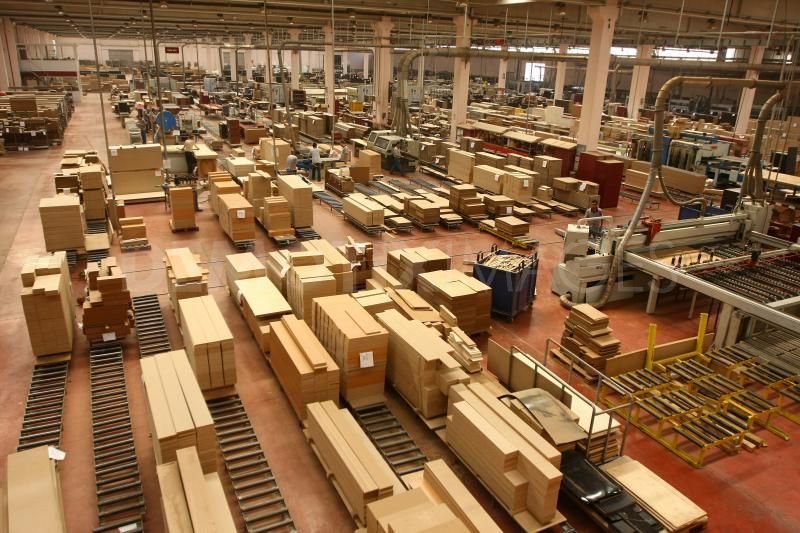
Examine the effectiveness and efficiency of their production processes. Find out about the workflow of the company, automation and lean manufacturing methods. A company that uses efficient processes and modern technologies is likely to have shorter time to market and more production capacity, which can enhance your overall experience.

7. Check the Backup Production
If there are unexpected circumstances, like equipment failures or disruptions to the supply chain, it is essential to know what contingency strategies are in the company's contingency plans. You can inquire if they are prepared to make products in a different capacity or have alternative suppliers. A business with a strong contingency plan will be better able to deal with unexpected issues without affecting lead times.

Review Performance Metrics from the Past
Get information on the previous performance of the manufacturer with respect to lead times production capacity, lead times, and other variables. This could include their average lead times for different product types and their on-time delivery rate in addition to any trends in capacity for production. The information you gather will help you gain the knowledge of their reliability as well as consistency.

9. Examine Communication During Production:
Effective communication throughout the production process is essential. Ask how the manufacturer updates customers about the progress and status of their orders. This is particularly important in the event of delays or adjustments to delivery times. Communication between the customer and the manufacturer is a sign of their commitment to their services. This can assist you to establish expectations for your project.

10. Request references from past clients
Ask for references from clients who worked on similar projects in the same way with the producer. Ask about lead times and production capacity from the clients. Positive reviews of the reliability of the company can help you gauge the ability of the company to meet your deadlines.

To conclude, evaluating the performance of a Chinese Furniture Manufacturer such as OPPEIN's lead times as well as production capacity and flexibility requires an in-depth examination of the production schedules, the flexible processes, customer feedback and the efficiency of the process. By following these detailed tips, you can ensure that the manufacturer can meet your specific needs and deadlines, resulting in positive outcomes for your furniture-related projects. Follow the most popular whole house customization for blog recommendations including contemporary kitchen design, modern cabinets, two tone cabinets, armoire with drawers, types of kitchen cabinets, europe kitchen cabinets, kitchen cabinet manufacturers, new kitchen cupboards, wardrobe closet, open kitchen cabinets and more.